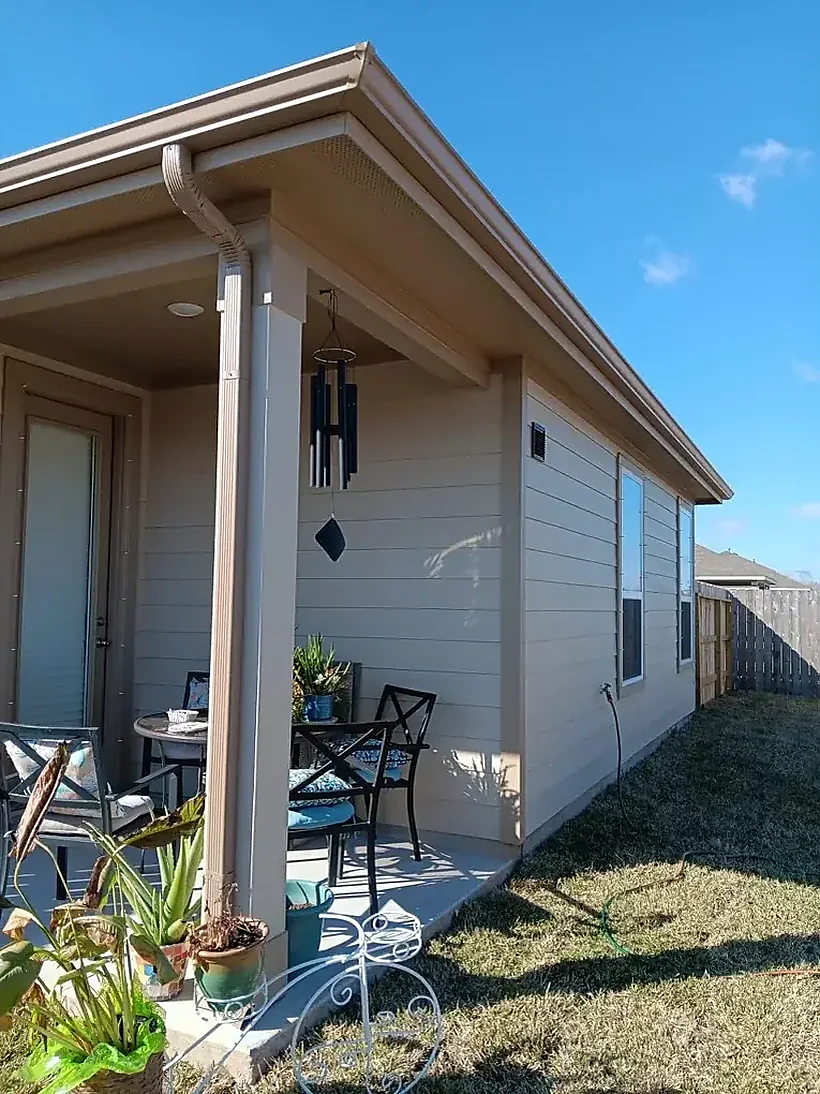
Replace Gutters That No Longer Move Water Correctly
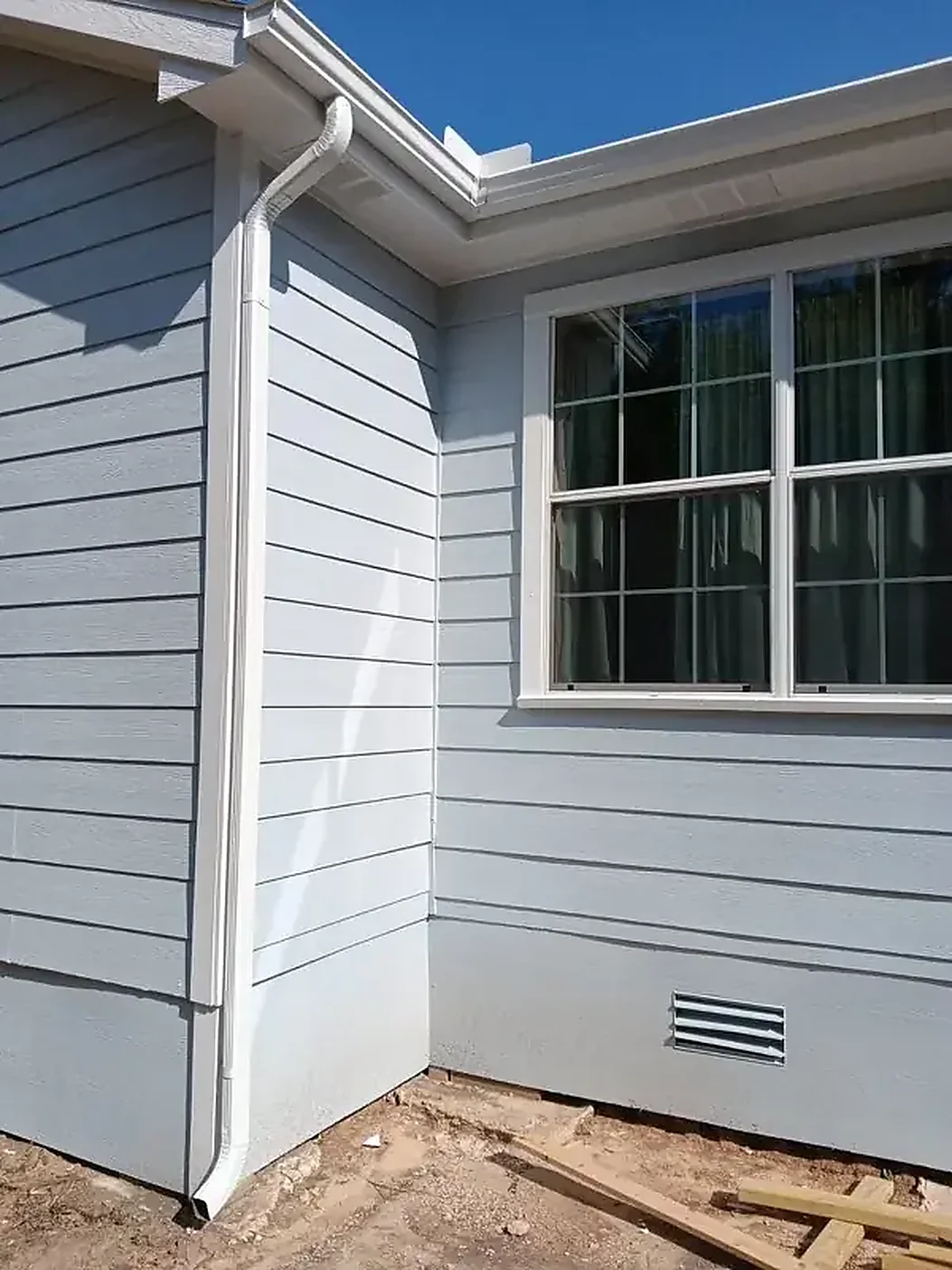
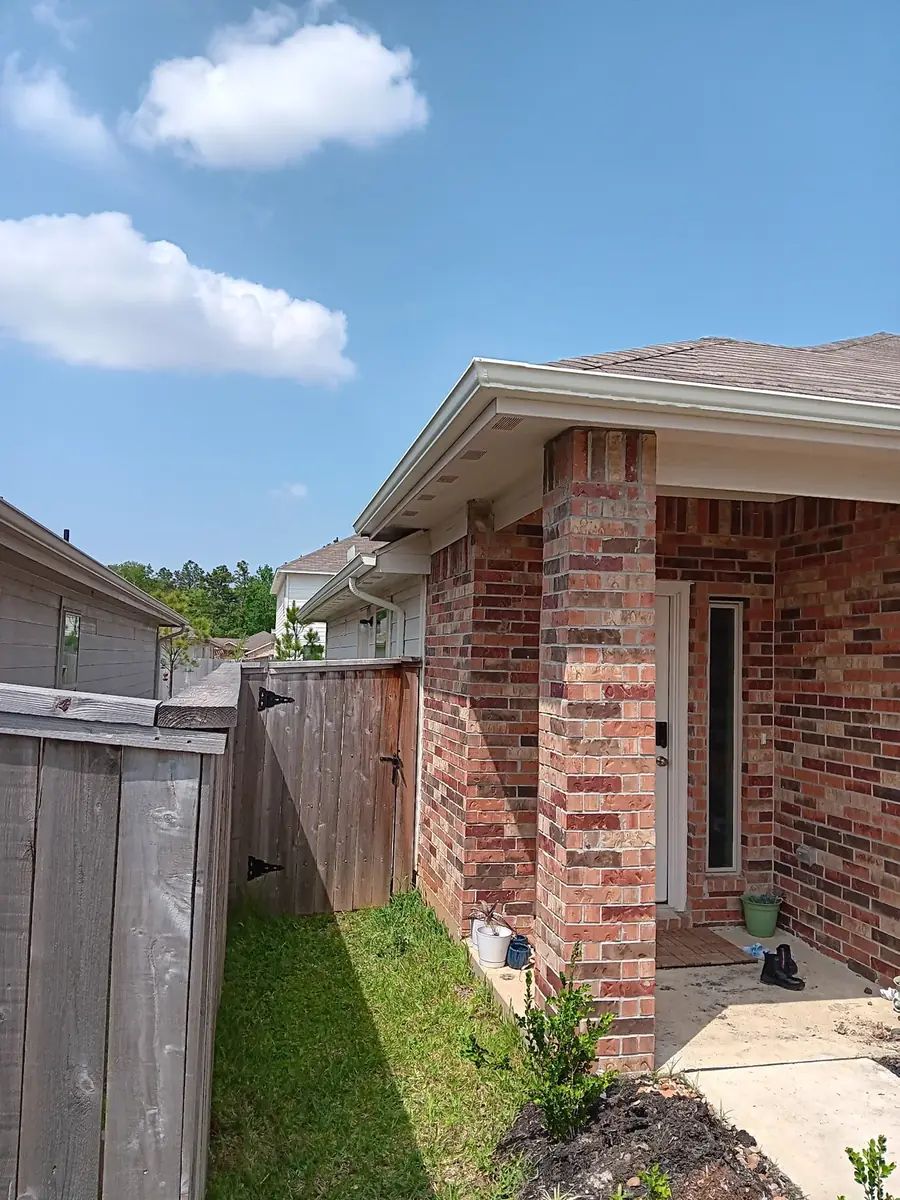
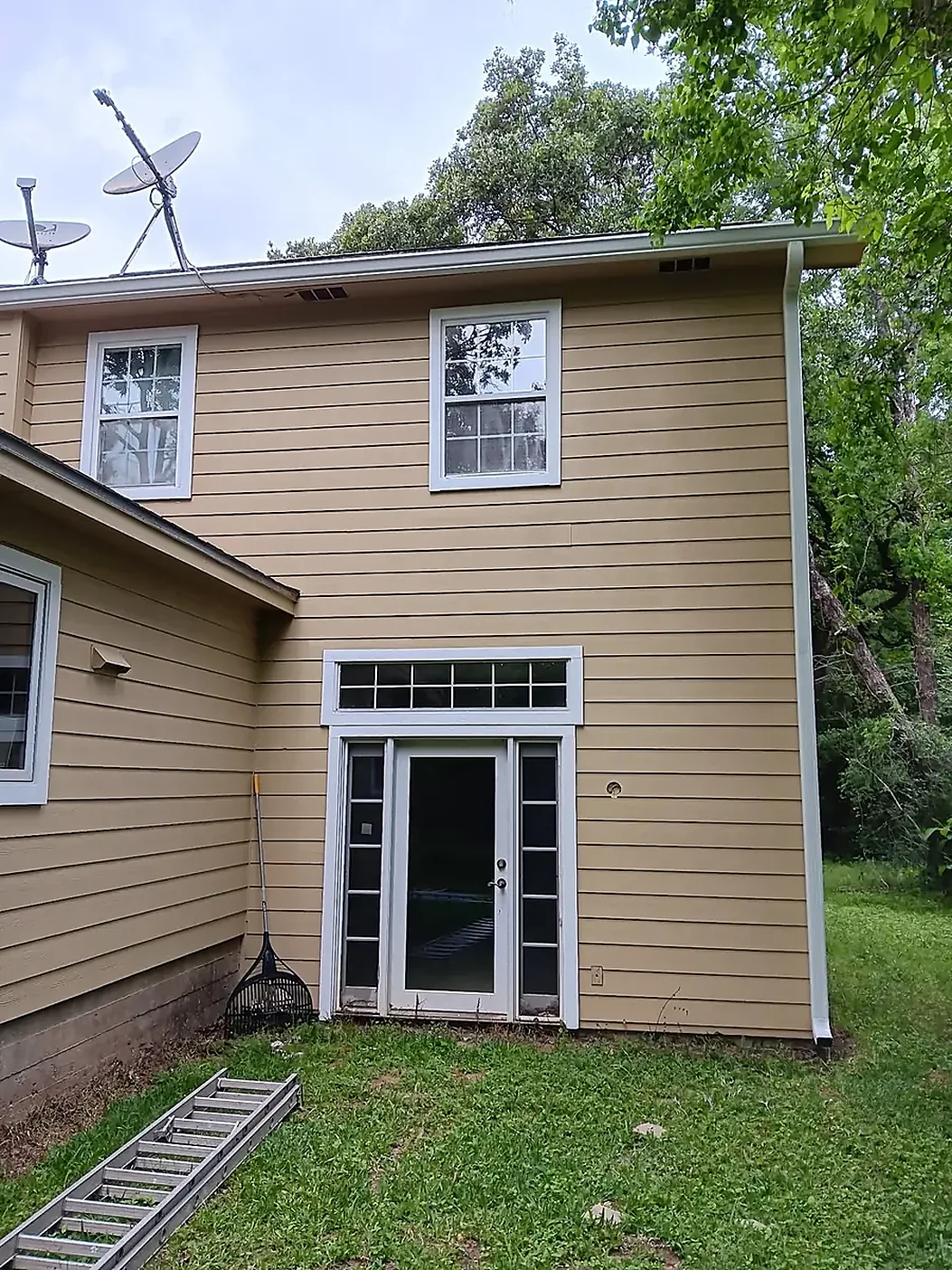
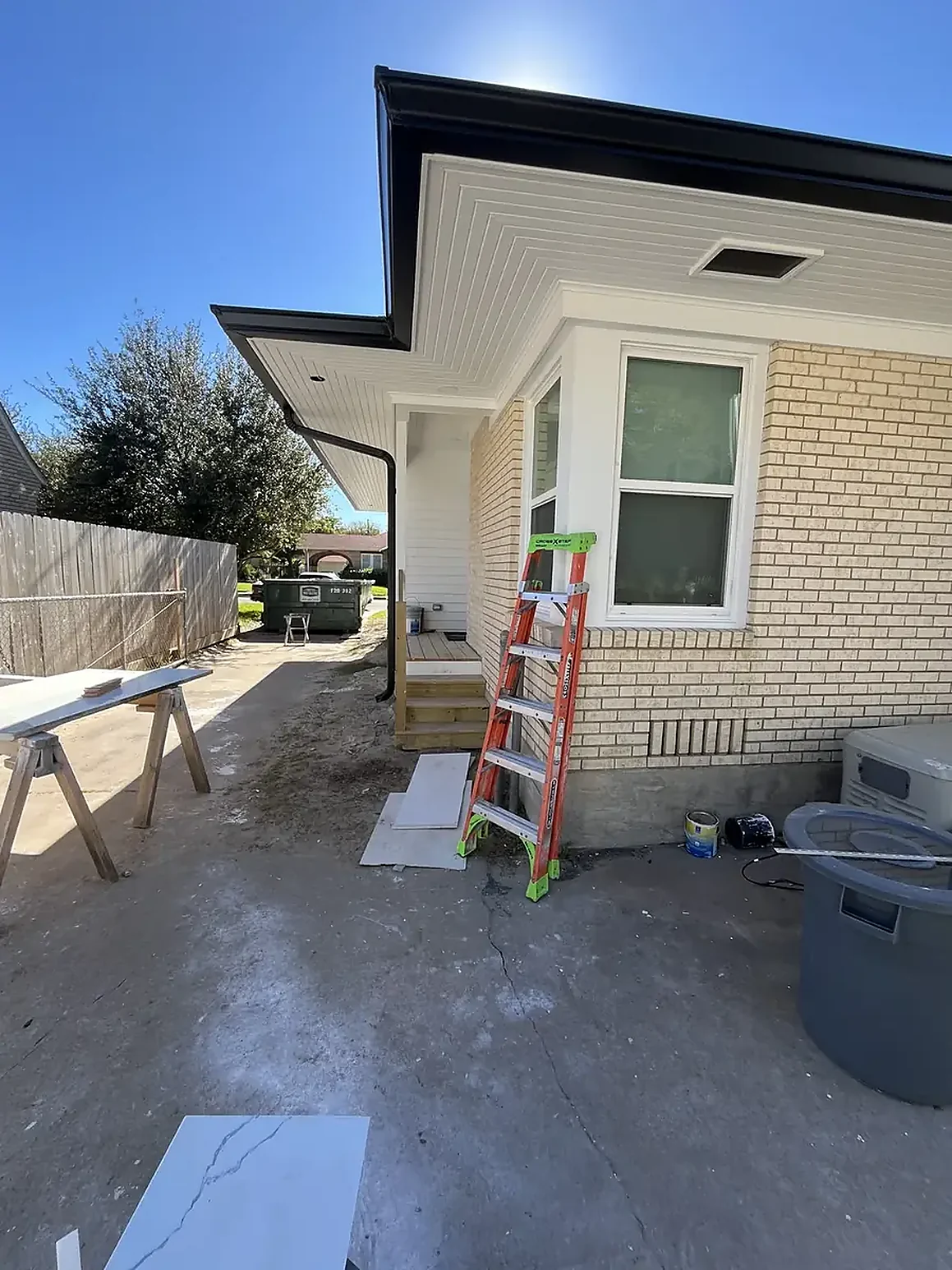
A storm can expose weak points in an older gutter system. Sections may pull away from the fascia, seams may leak, outlets may loosen, and downspouts may stop carrying water away from the home. When the system can no longer handle roof runoff, replacement can be the cleaner option than repeated patching. Learn more about rain gutter replacement.
Signs Storm Damage May Require Replacement
Storm-damaged gutters often show visible sagging, separation from the roofline, crushed or bent runs, leaking corners, loose downspouts, overflowing sections, or water spilling near the foundation. If the damage affects the shape, pitch, outlet capacity, or water path, the replacement plan should look at the full drainage route instead of only the most visible dent. Learn more about signs your gutters are failing.
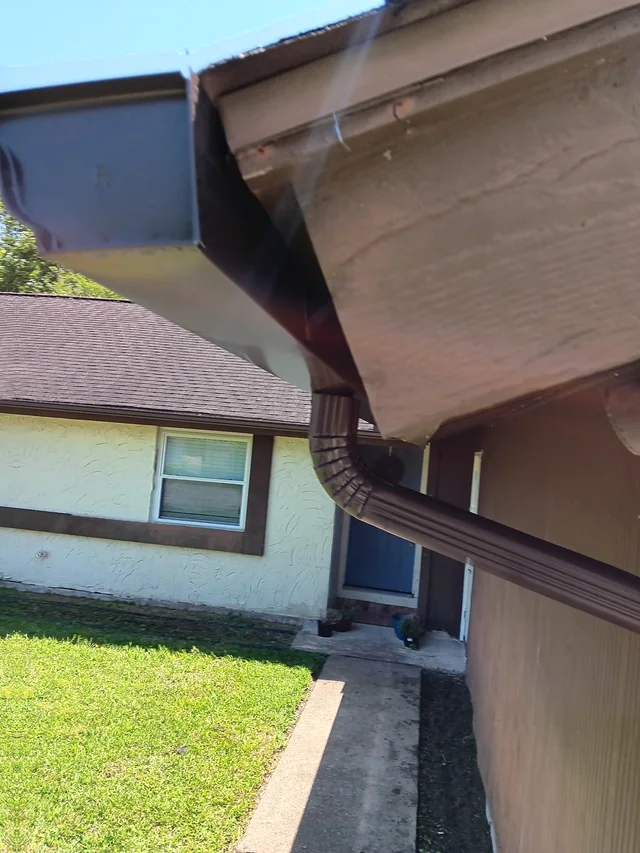
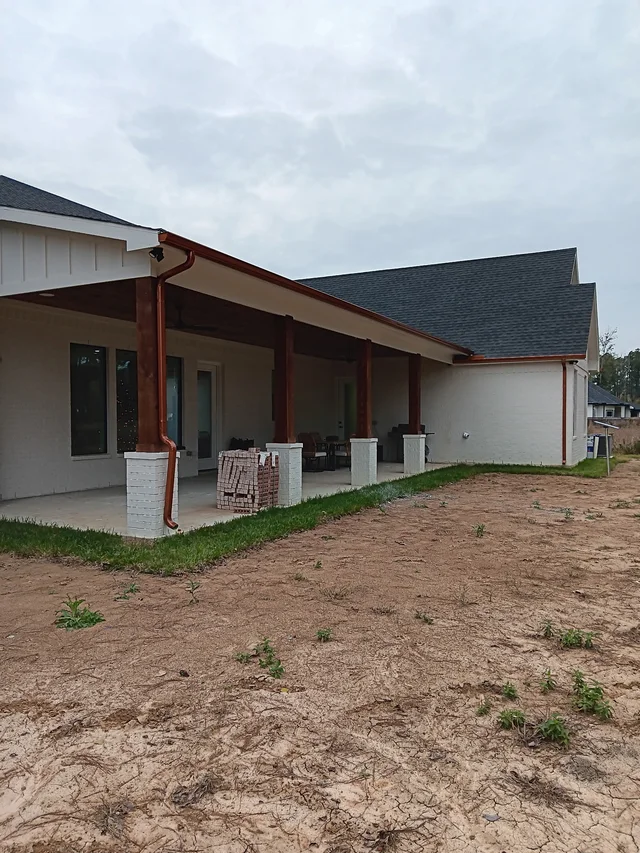
Replacement Planning After Heavy Rain or Wind
A replacement estimate should consider the damaged gutter runs, the roof edges that collect the most water, the number and placement of outlets, and where downspouts discharge at ground level. The goal is a system that collects roof runoff and gives it a practical route away from the structure without creating new drainage problems nearby. Learn more about downspout and drainage routing.
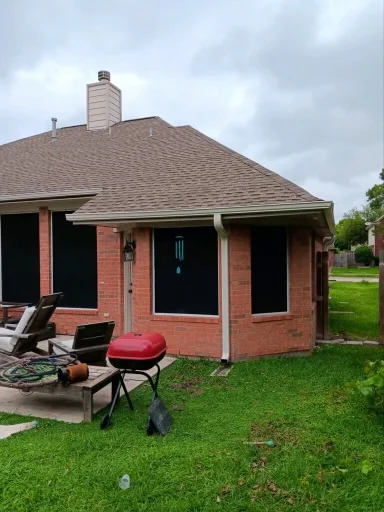
Repair, Replace, or Re-route the System
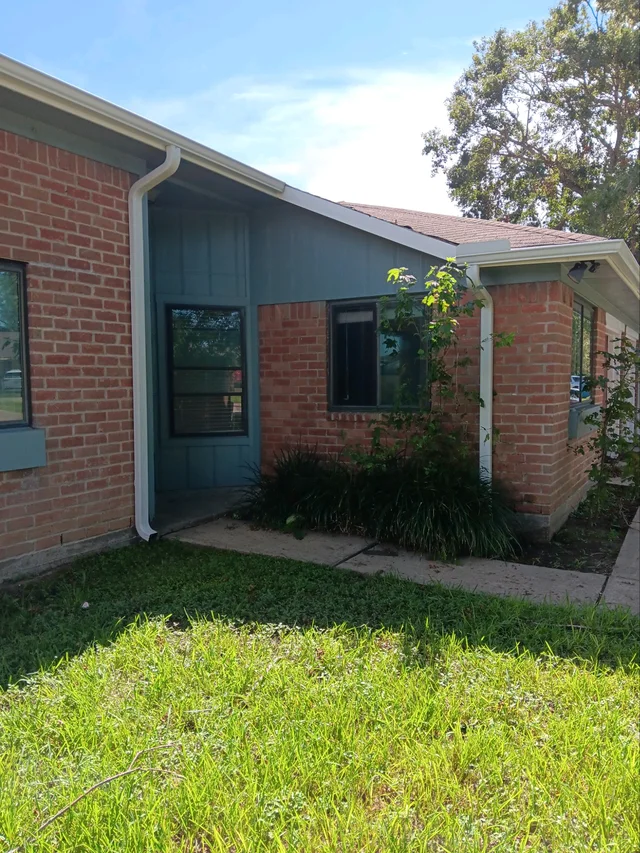
Not every storm issue requires a full replacement. Isolated loose sections, failed outlets, or minor leaks may be repair candidates. Replacement becomes more practical when gutters are badly bent, repeatedly leaking, undersized for the roof area, poorly pitched, or damaged in several places. If water is leaving the gutter but still collecting where it should not, downspout routing may also need attention. Learn more about gutter repair.
Request a Storm Damage Gutter Replacement Estimate
Share the property address, the visible damage, and any water problems noticed during or after the storm. Photos of sagging sections, leaks, downspouts, corners, and areas where water collects can help start the conversation before an on-site estimate.
Storm Damage Gutter Replacement FAQs
How do I know if storm-damaged gutters should be replaced?
Replacement may be needed when gutters are bent, sagging, pulling away, leaking in several places, overflowing after cleaning, or no longer pitched well enough to move water toward the downspouts.
Can only part of a storm-damaged gutter system be replaced?
Yes, some projects may only need damaged runs, corners, outlets, or downspouts addressed. The best option depends on the condition of the existing system and whether the remaining gutters can still move water correctly.
Should downspouts be checked after storm damage?
Yes. A gutter replacement plan should include outlet and downspout routing because the system is not complete until water has a practical path from the roofline to the ground.
What information helps with a gutter replacement estimate?
The property address, photos of the damaged gutters, notes about leaks or overflow, and details about where water collects around the home can help prepare the estimate conversation.
Ready to plan the next step?
Request a storm damage gutter replacement estimate for your Baytown property. Include the full address, the damaged areas you can see, and any runoff problems that appeared after the storm.
request a free gutter estimate