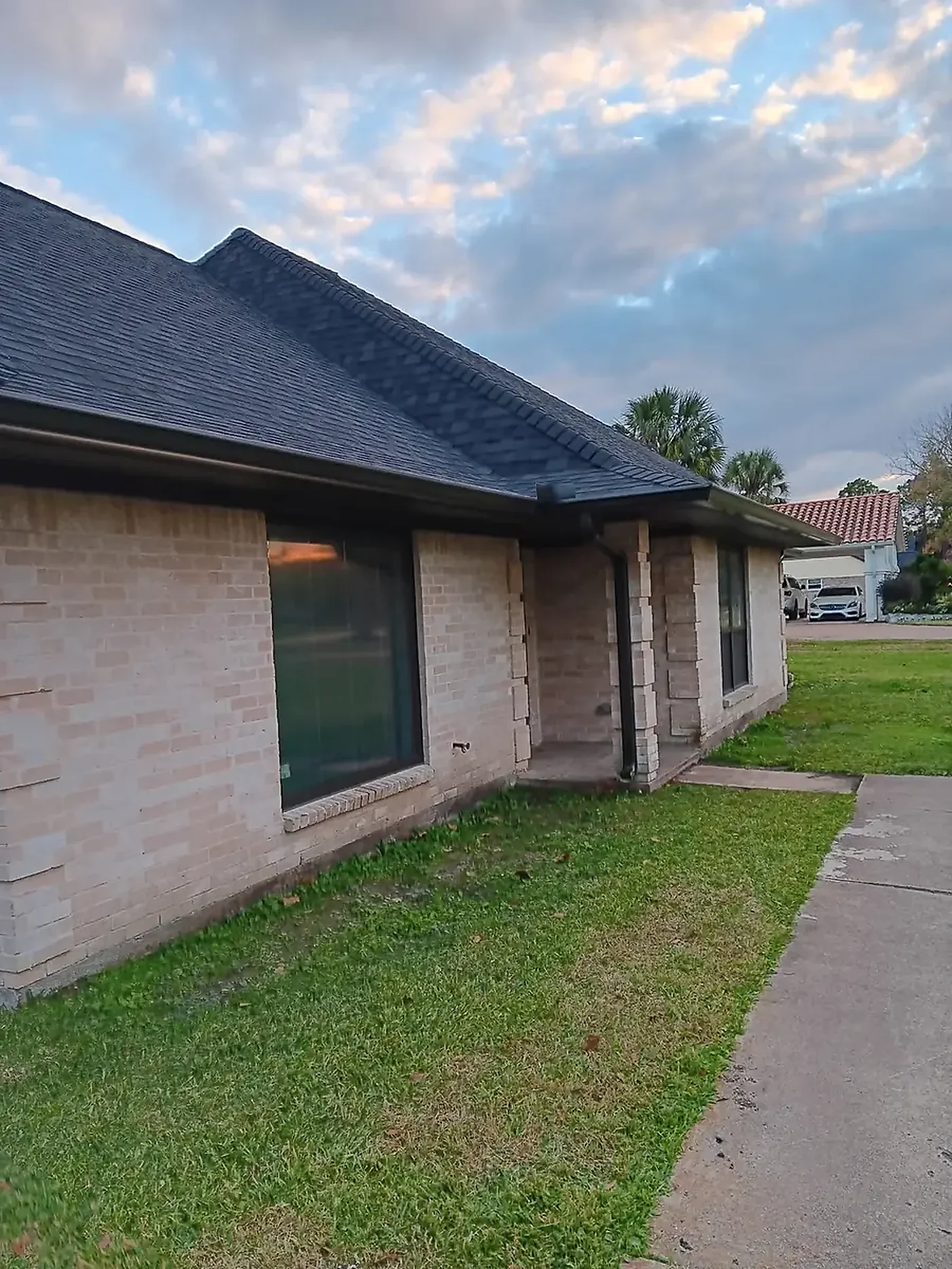
Read where the water appears
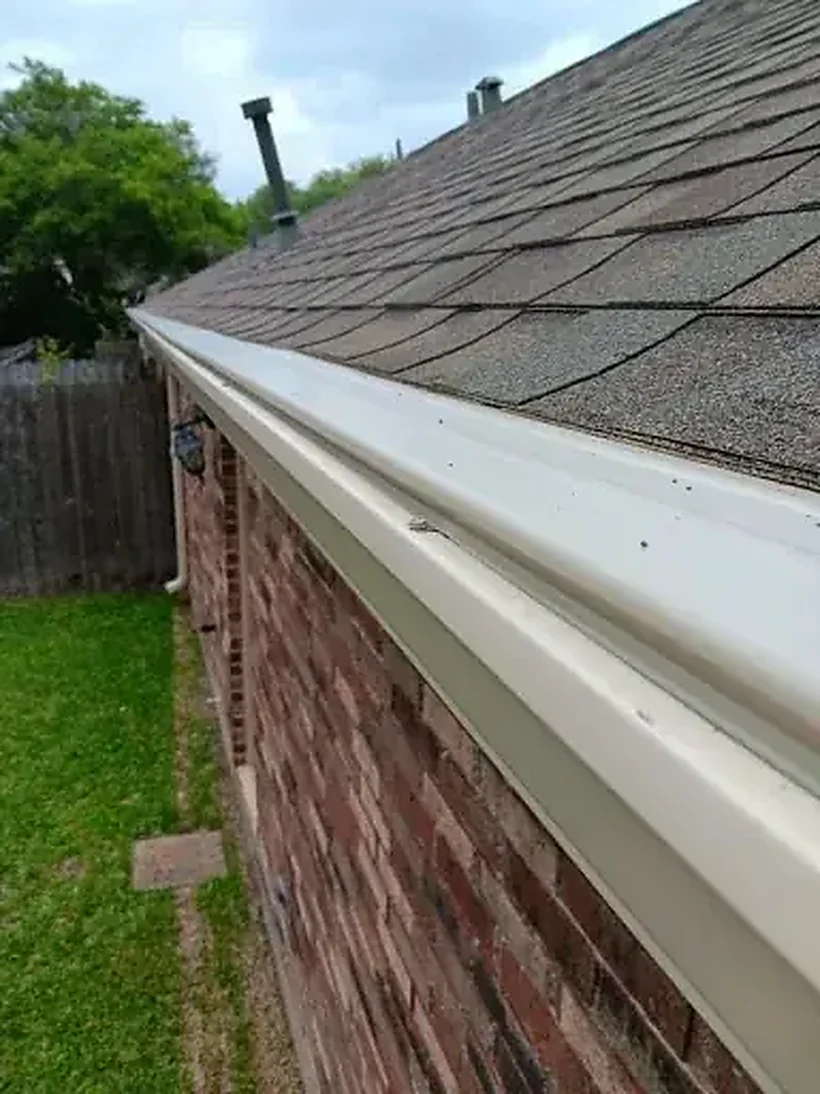
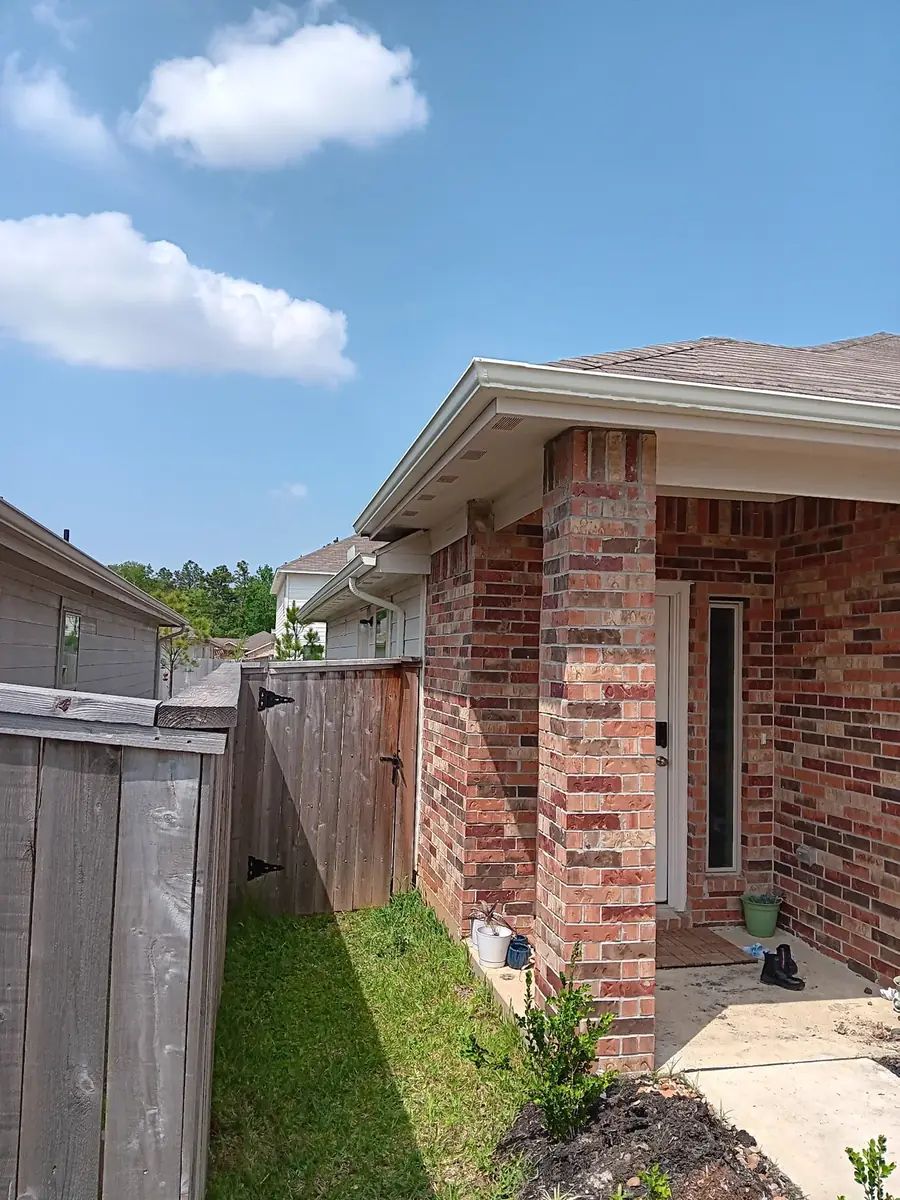
Overflow along the middle of a run can point to debris, insufficient pitch, limited capacity, or a downstream restriction. Water spilling at a corner may indicate a leaking transition or concentrated valley flow. Staining behind the gutter suggests that water is reaching the fascia instead of entering the trough cleanly.
Separate cleaning problems from system problems
Visible leaves and a blocked outlet may be solved by cleaning when the metal and layout remain sound. Repeated overflow after the path is clear suggests a sizing, pitch, outlet, or downspout issue. A guard covered with fine debris can also behave like a blockage even when the trough below is empty.
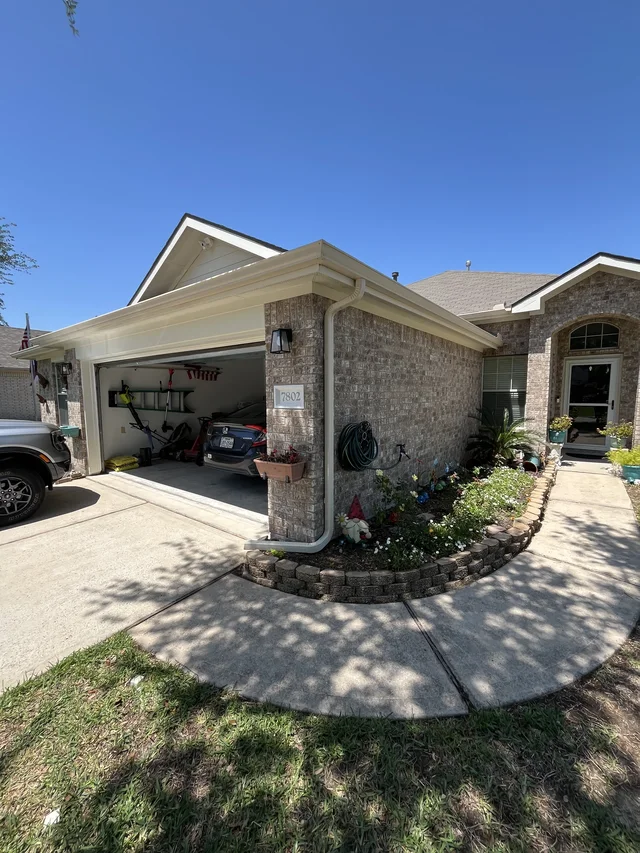
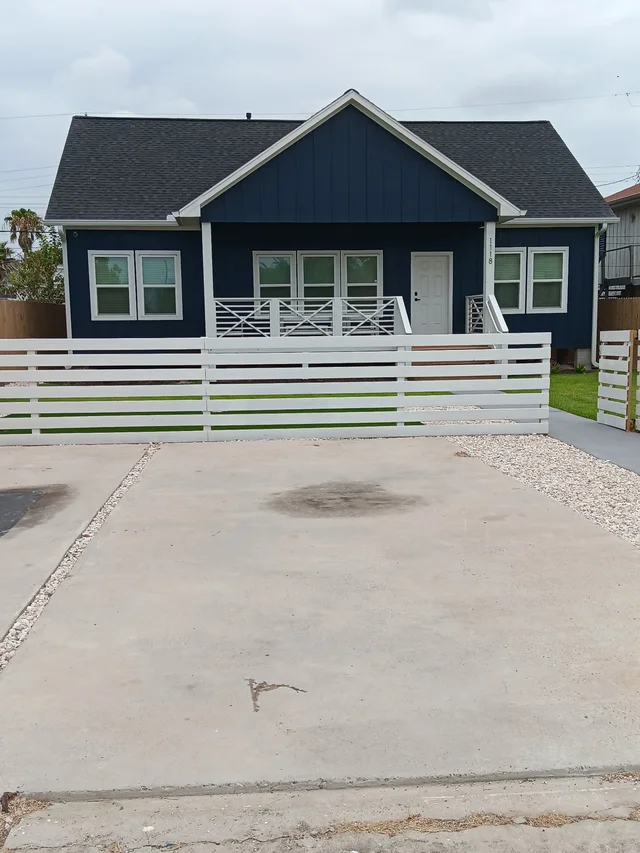
Inspect attachment and metal condition
Sagging sections hold water and change the intended slope. Fasteners pulling away from the fascia can indicate a weak attachment point, excess load, or concealed wood deterioration. Crushed profiles, corrosion, split seams, and deformed outlets deserve a closer repair-versus-replacement review.
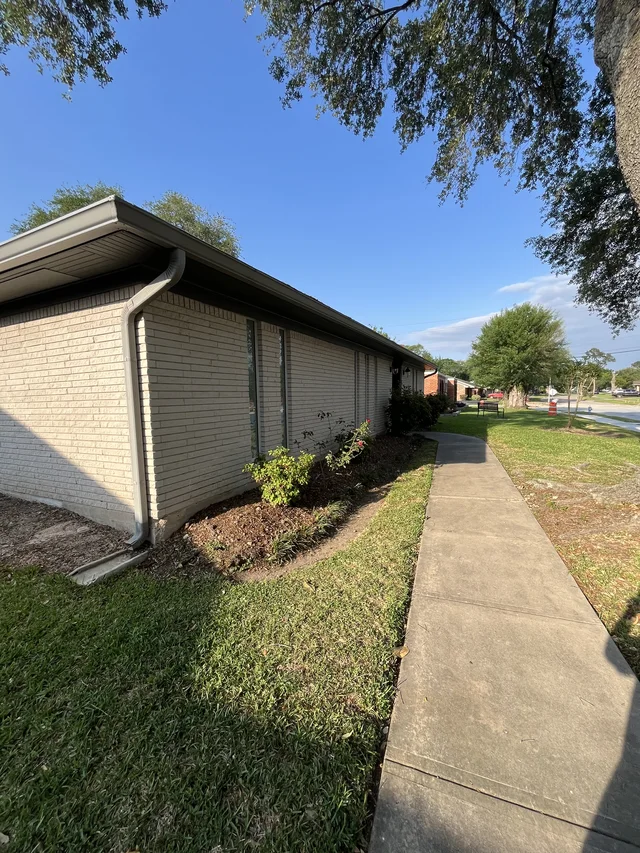
Follow the evidence to the ground
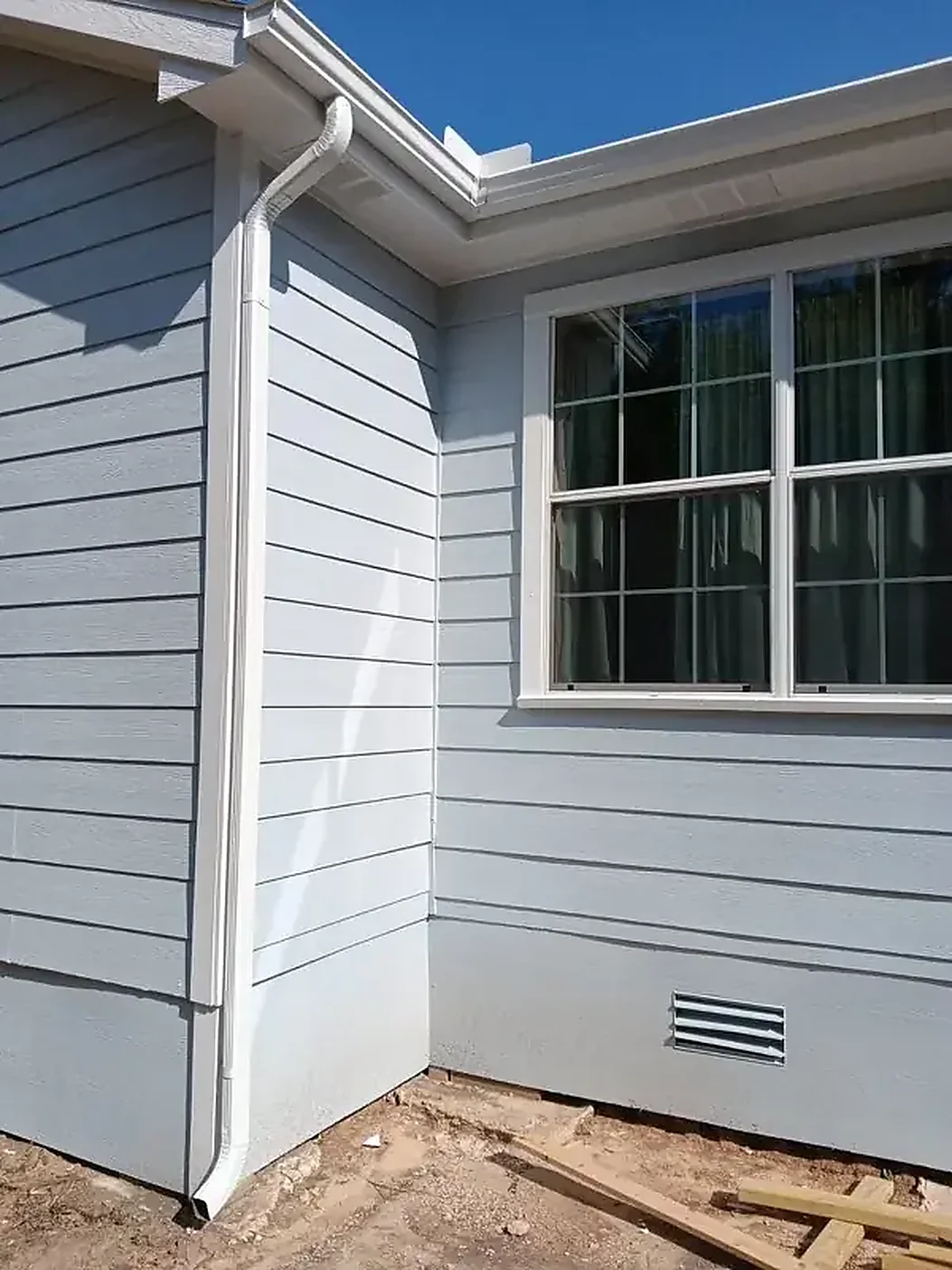
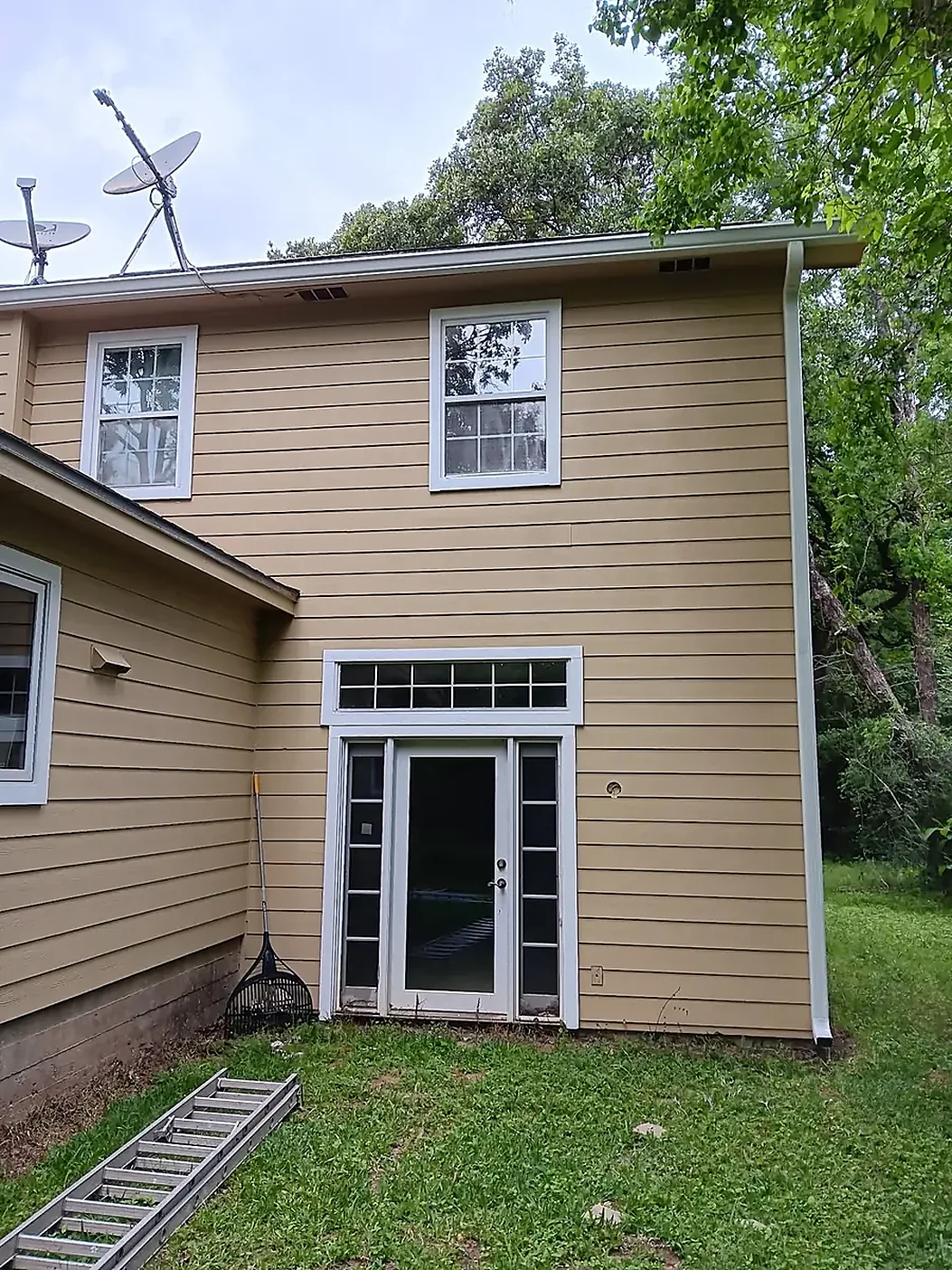
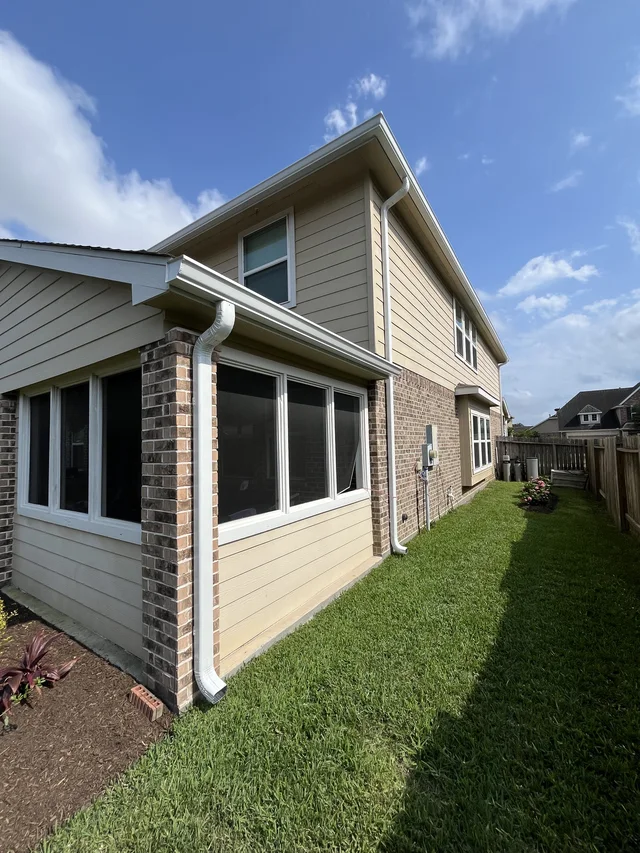
Eroded soil, splash marks on siding, recurring puddles, and channels through mulch reveal where roof water is landing. Walk the complete route from the stain above to the release point below; the visible gutter damage may be only one part of the problem.

Failure-sign questions
Should I wait for rain before requesting an estimate?
No. Photos taken during rainfall are useful when conditions are safe, but dry-weather signs and a description of the problem are enough to begin.
Can loose gutters be reattached?
Sometimes. The decision depends on the metal condition, fascia strength, original pitch, and whether the existing layout can still route water correctly.