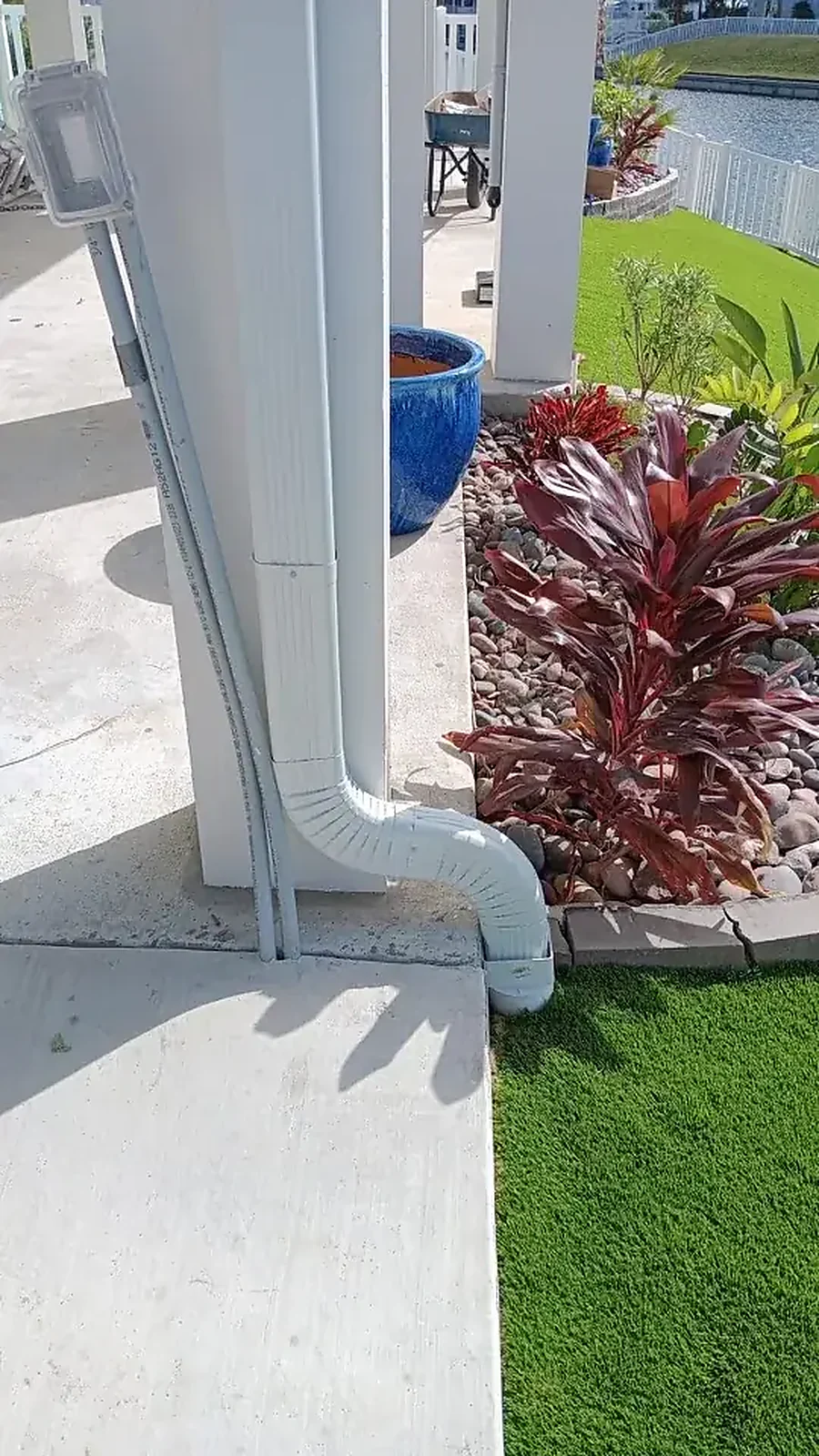
Compare how the runs are assembled
Sectional gutters join multiple pre-cut lengths along a roof edge. Seamless systems form each straight run from continuous coil at the property. Both approaches still need joints where direction changes and where components such as end caps and outlets are fitted.
Look beyond the number of seams
Fewer joints along a straight run reduce the number of mid-run connection points, but performance still depends on attachment, pitch, outlet placement, profile capacity, and sealing at fabricated transitions. A continuous run cannot compensate for a blocked outlet or a poor ground route.
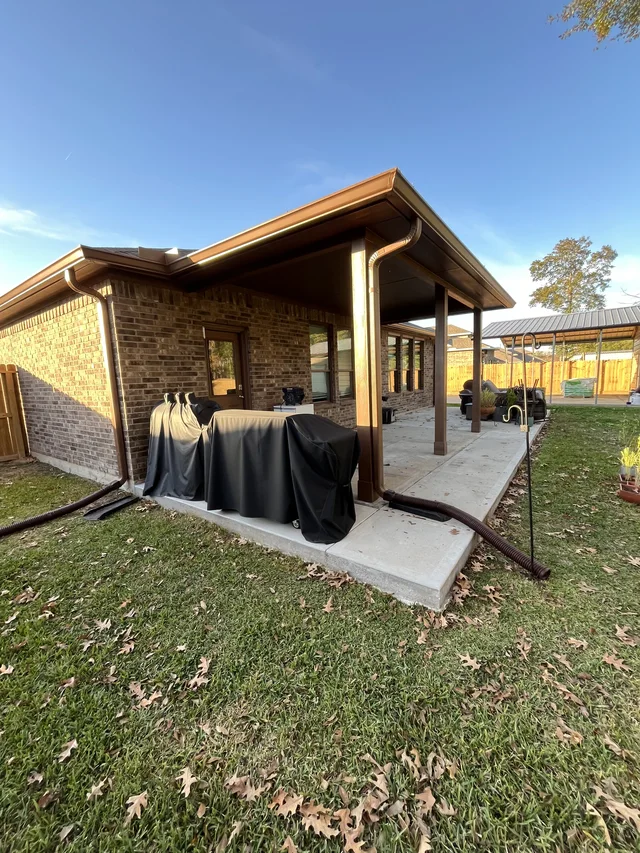
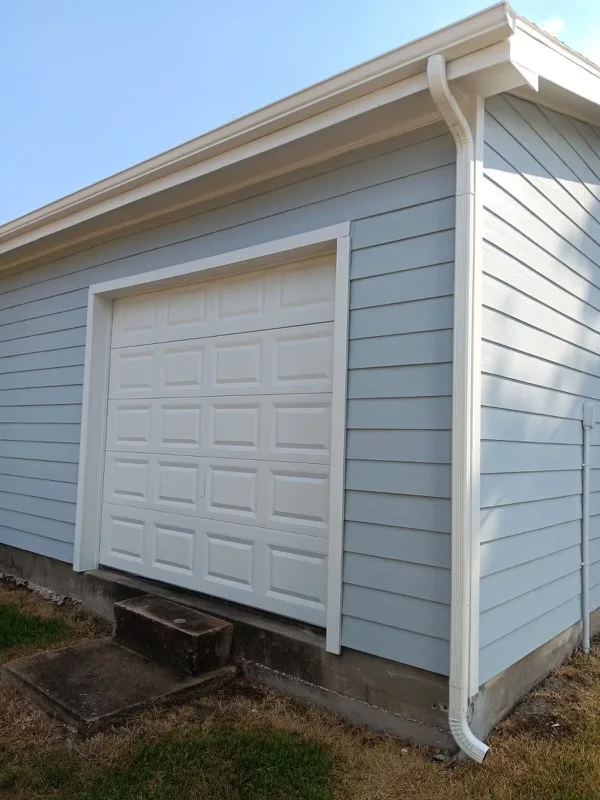
Consider repair and replacement work
Short sectional pieces can sometimes be changed locally when compatible material is available. Damage to a long seamless run may call for a broader replacement decision. Color fade, existing profile, fascia condition, and access all influence whether a repair will blend and perform as intended.
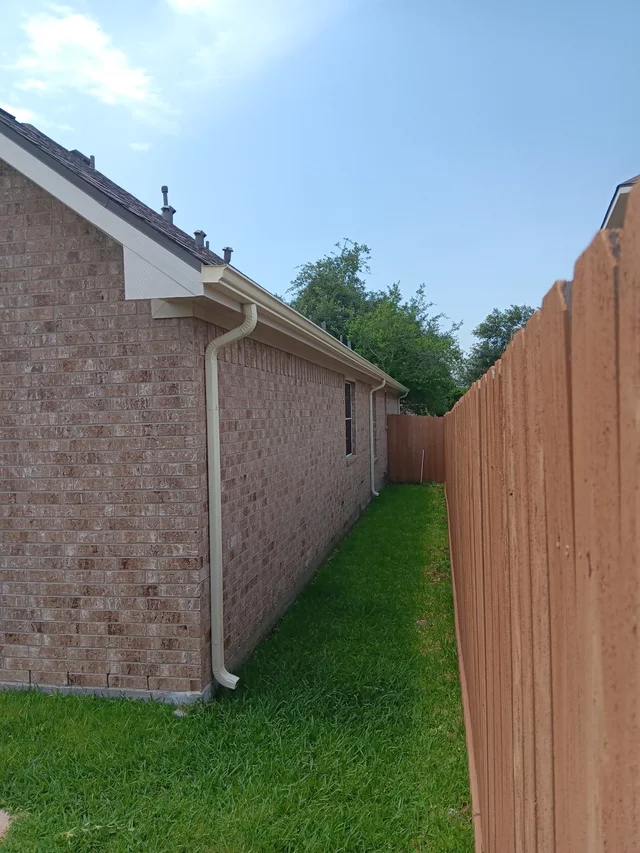
Compare written scopes fairly
- Check that both proposals cover the same roof edges.
- Compare metal, profile size, finish, hanger approach, and downspout count.
- Confirm removal and disposal of old material.
- Review the release point for every vertical route.
- Ask which transitions will still contain sealed joints.
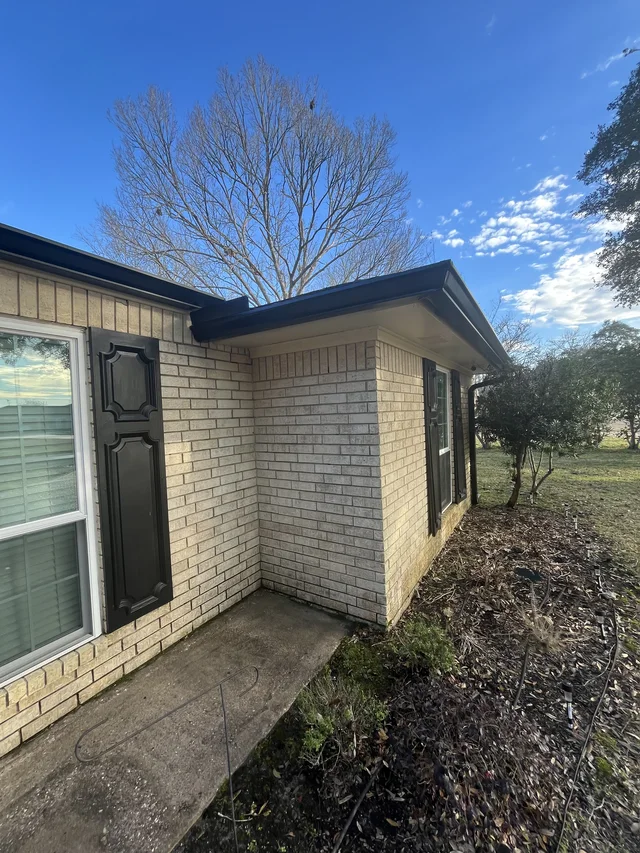
System questions
Does seamless mean there are no seams anywhere?
No. It describes continuous straight runs; corners, outlets, and end caps remain fabricated connection points.
Is one system automatically right for every building?
No. Roof geometry, repair goals, appearance, drainage demand, and the documented scope should drive the choice.