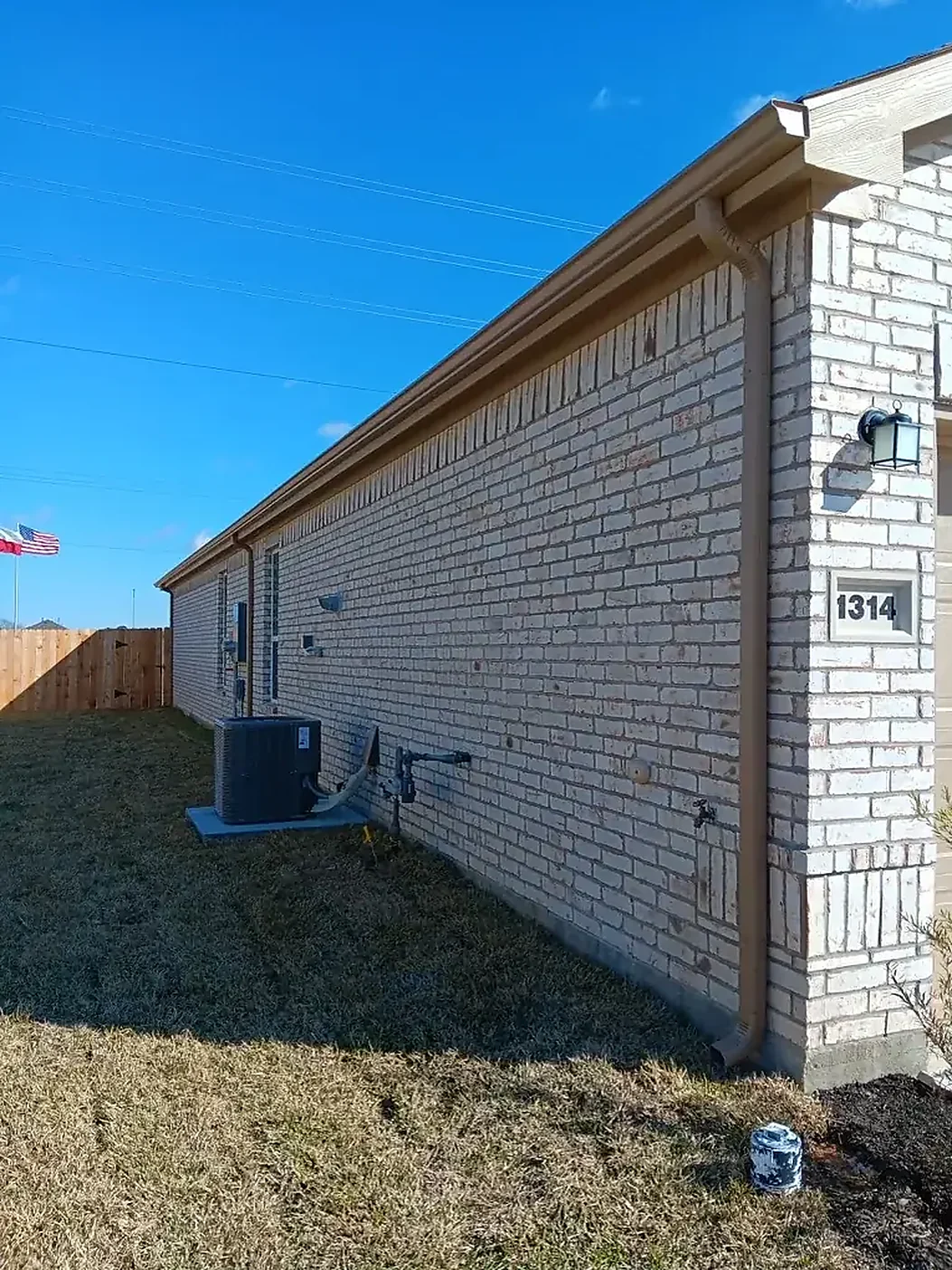
Measure the connected route
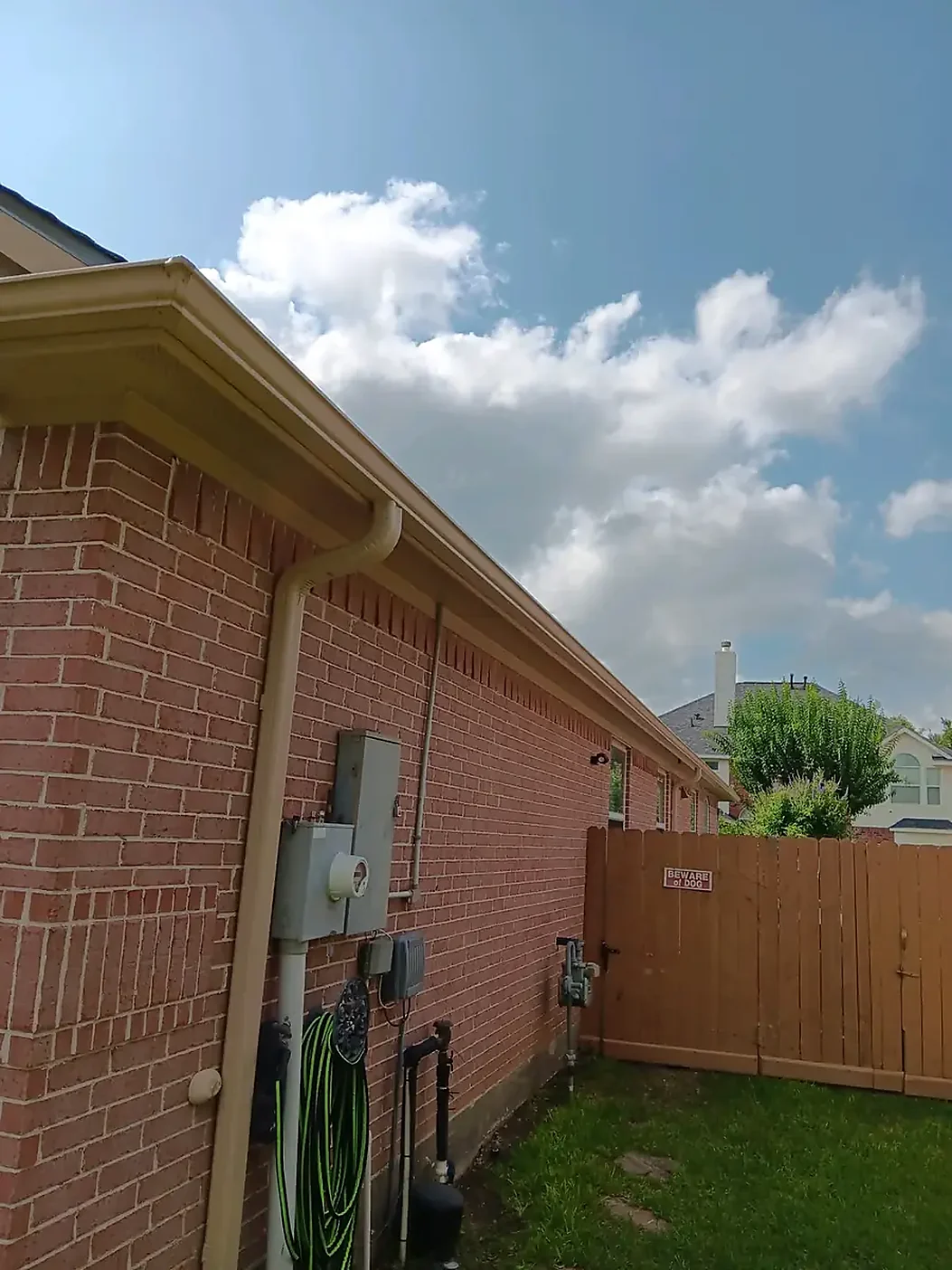
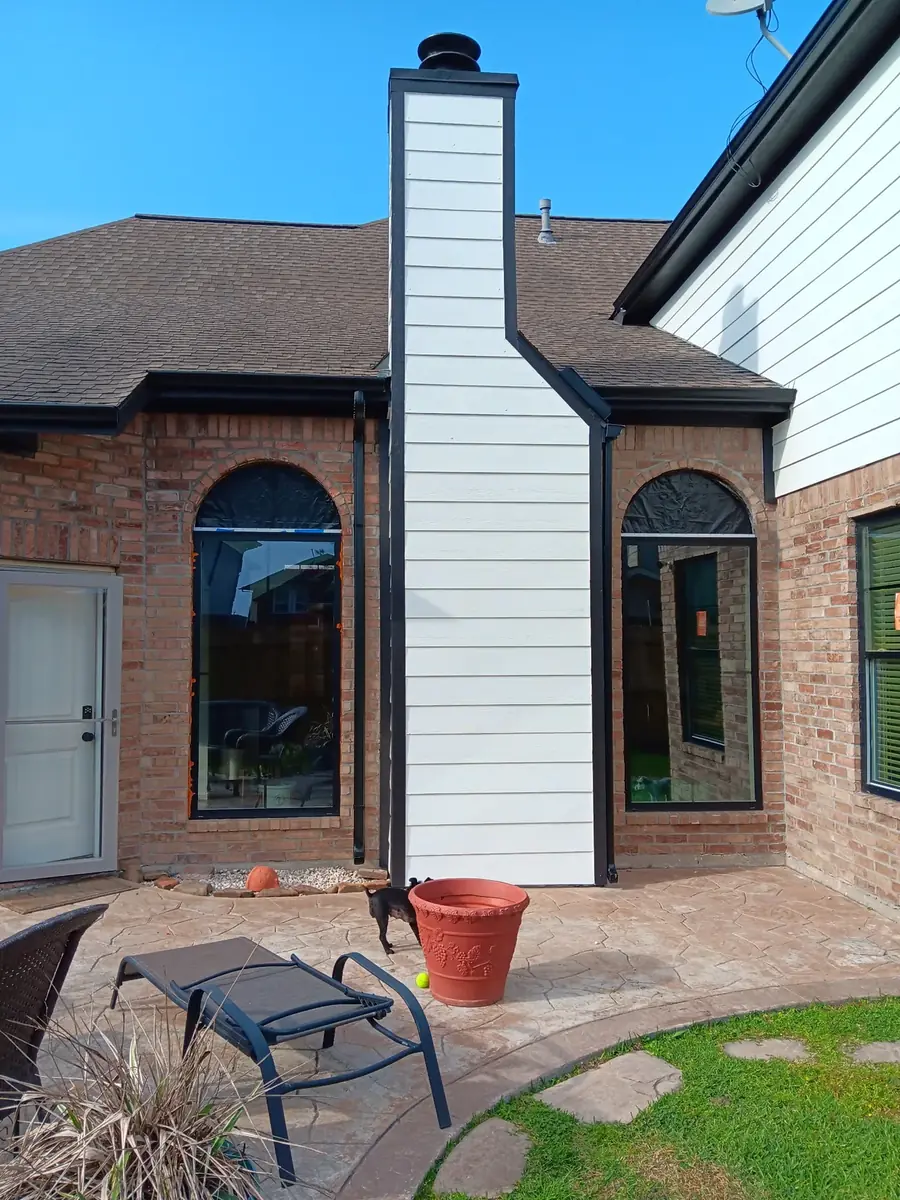
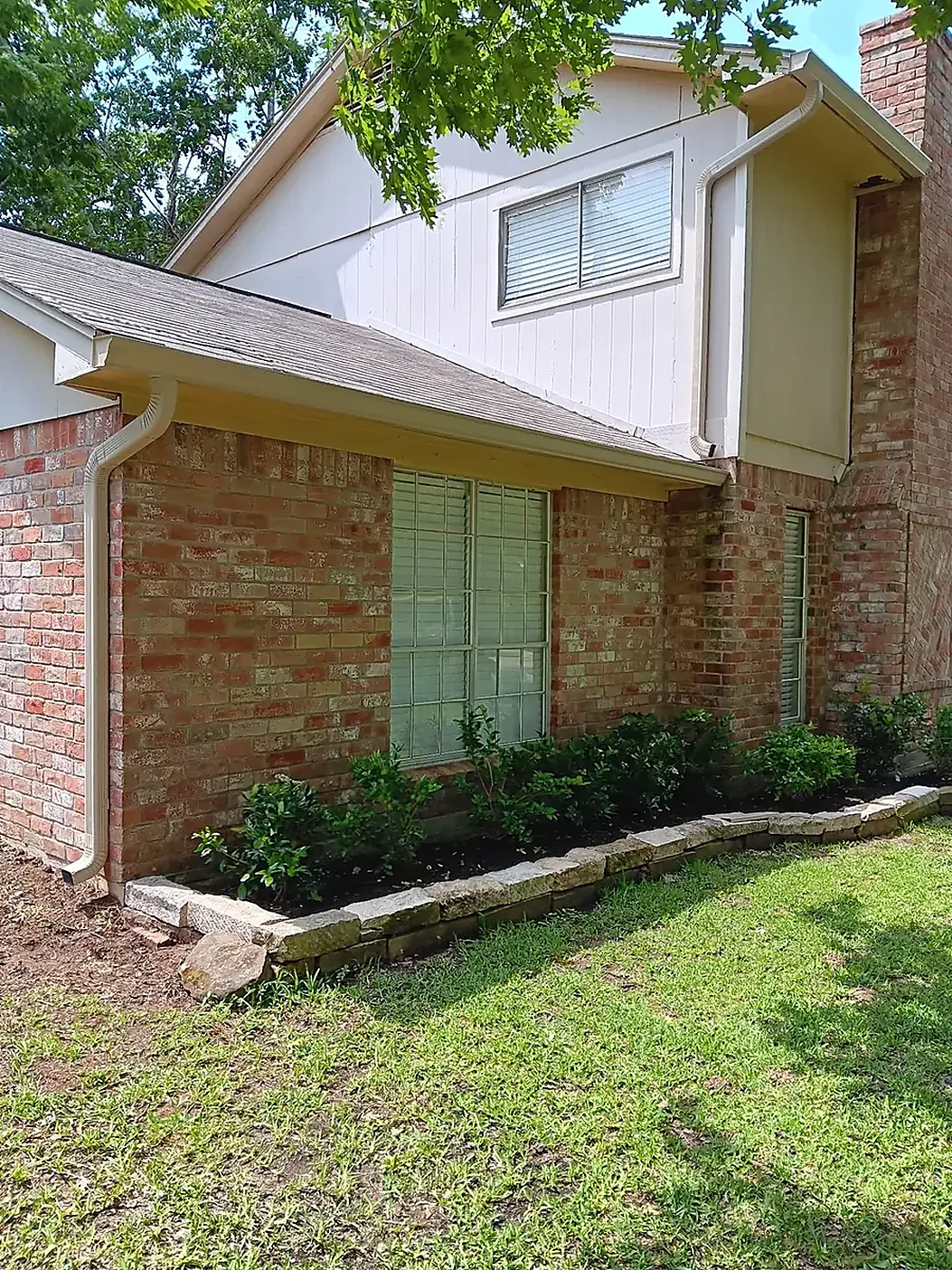
The installation plan starts at the roof edge and ends where the downspouts release water. Each straight section is measured, while corners, valleys, fascia condition, roof pitch, walkways, and ground-level obstacles are marked separately. Color and profile size are selected before metal is formed.
Form each straight run
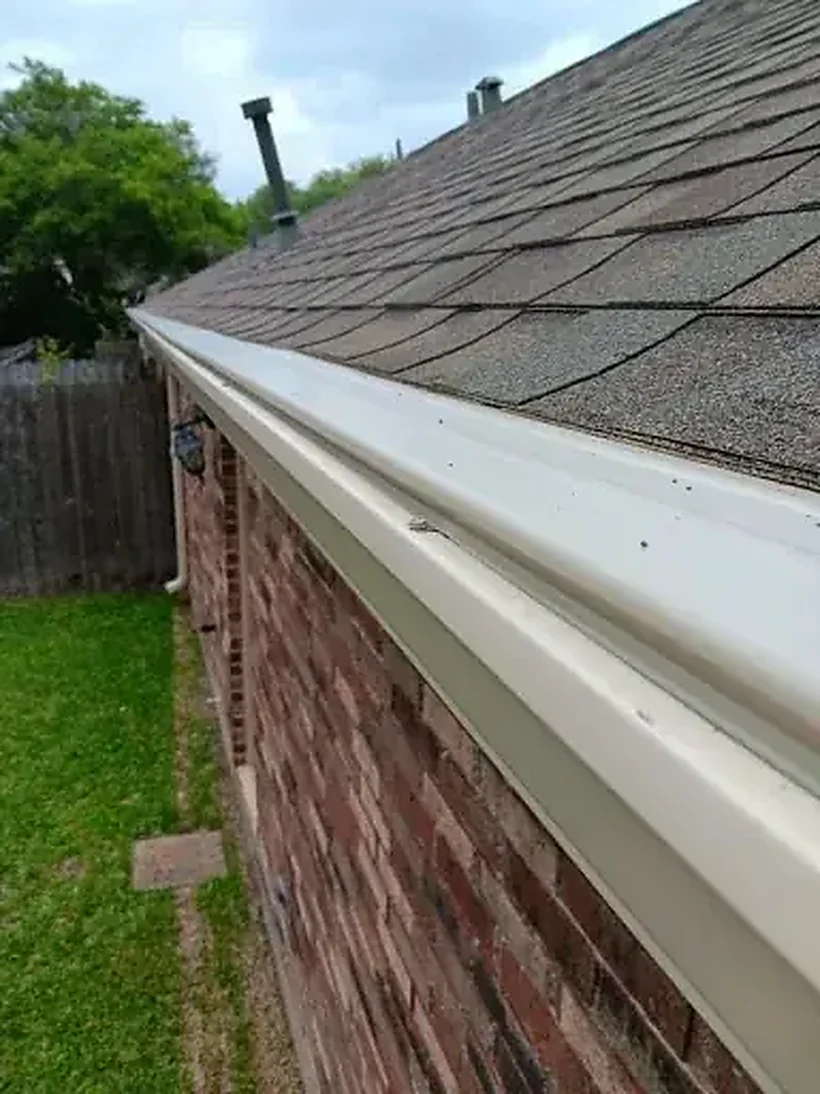
Painted aluminum coil feeds through a portable roll-forming machine. Rollers shape the flat stock into a continuous gutter profile, and the finished run is cut to the measured length. Long straight sections therefore need fewer joints than assemblies made from short pre-cut pieces.
The formed metal still requires careful handling. Crews support the length while moving it from the machine to the roof edge so the profile is not twisted or creased.
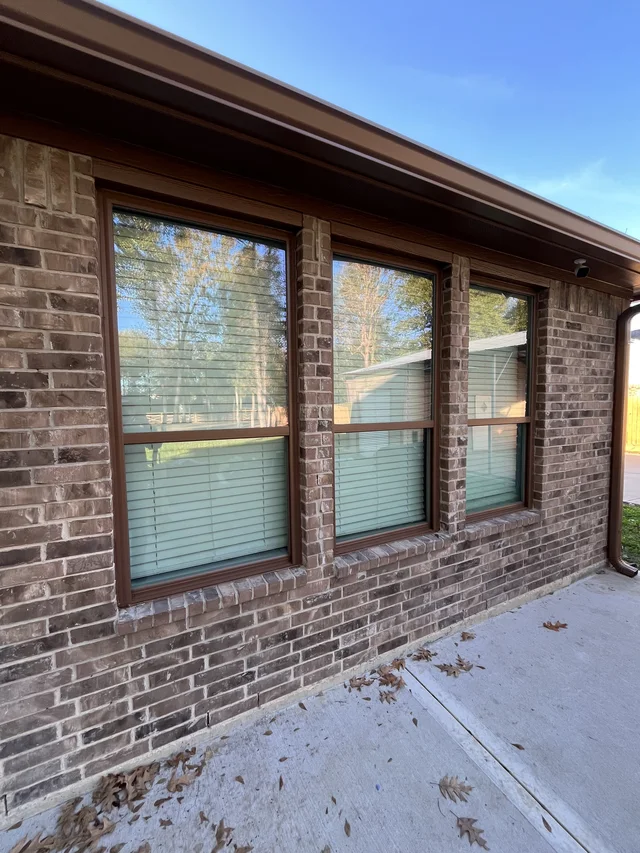
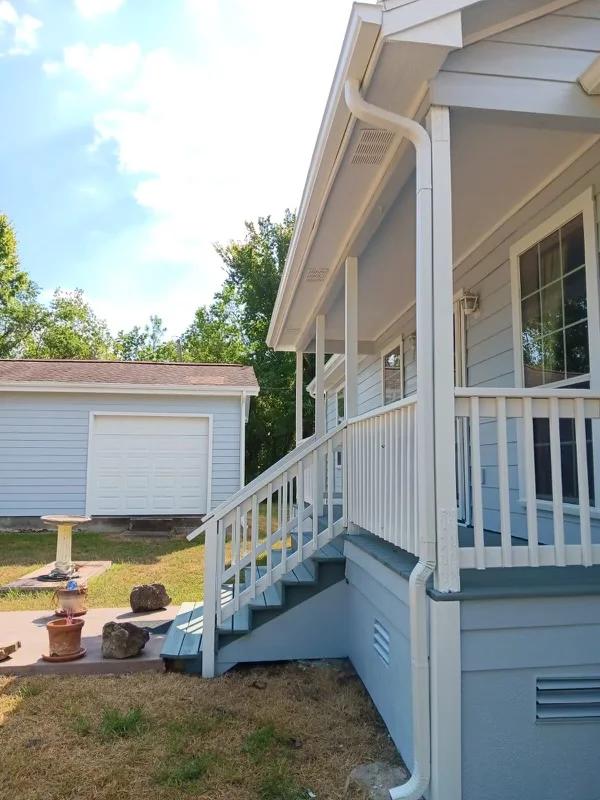
Build the corners and outlets
End caps close exposed ends. Inside and outside corners connect direction changes. Outlet openings are cut where the drainage plan calls for downspouts, with placement influenced by run length, concentrated flow, doors, paths, and the available release area below.
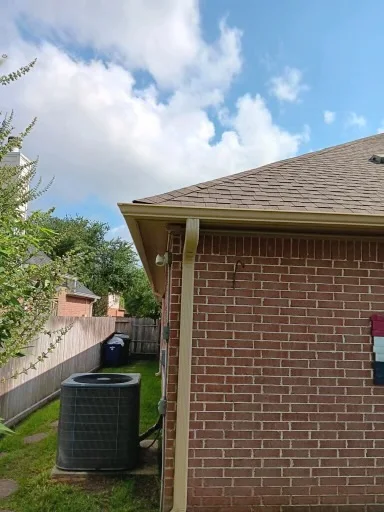
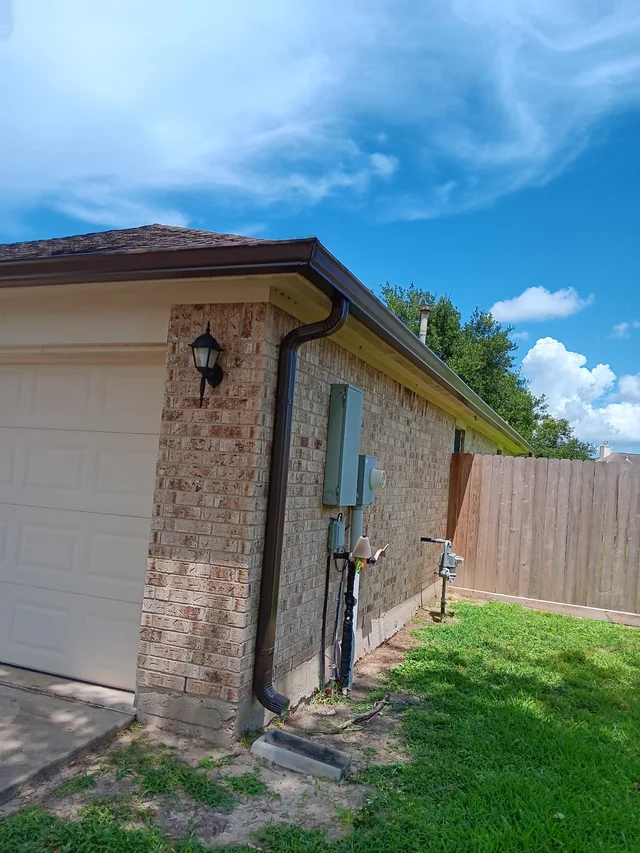
Attach, route, and check
- Set the run to a controlled pitch toward its outlet.
- Fasten hangers into an appropriate attachment surface.
- Seal fabricated transitions and corner joints.
- Connect downspouts and any planned extensions.
- Review alignment, outlet flow, and the final discharge route.
Installation questions
Can I request a quote without knowing the footage?
Yes. Provide the service address, cell number, requested work, and project notes after reviewing the displayed minimums; an on-site measurement can be requested.
Are seamless gutters completely joint-free?
No. Straight runs are formed continuously, while corners, end caps, outlets, and connections still require fabricated transitions.