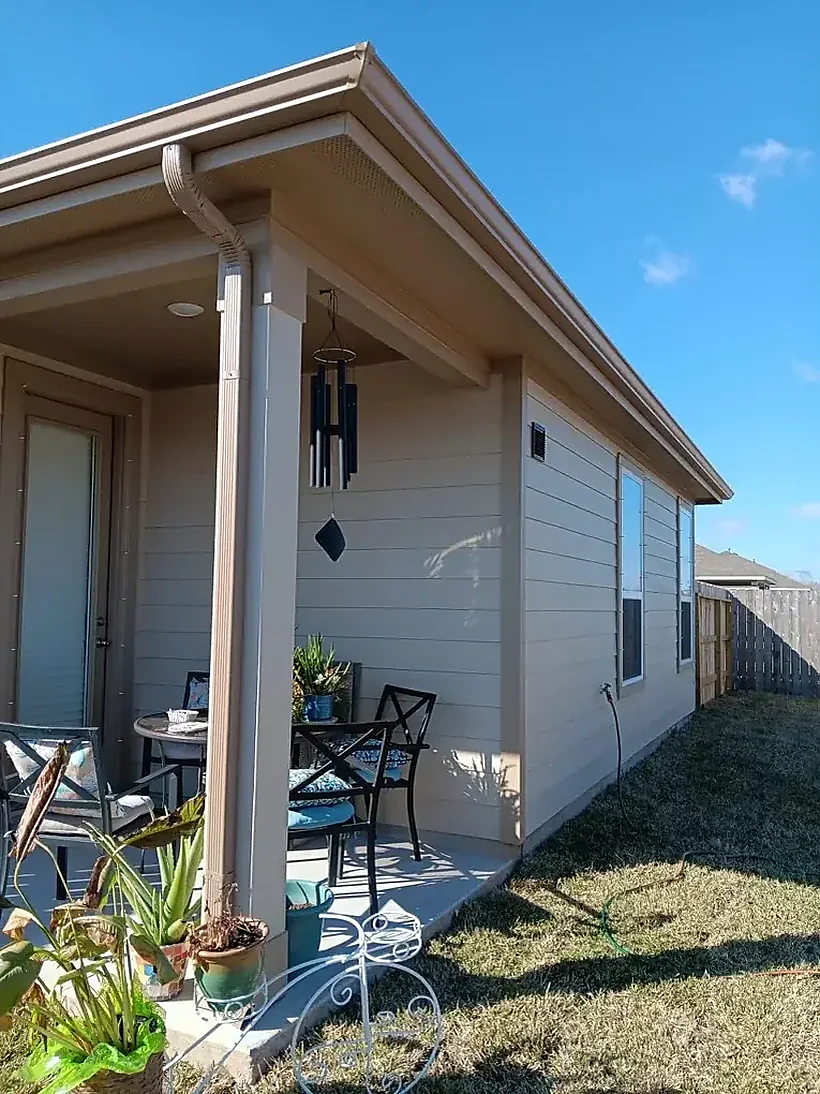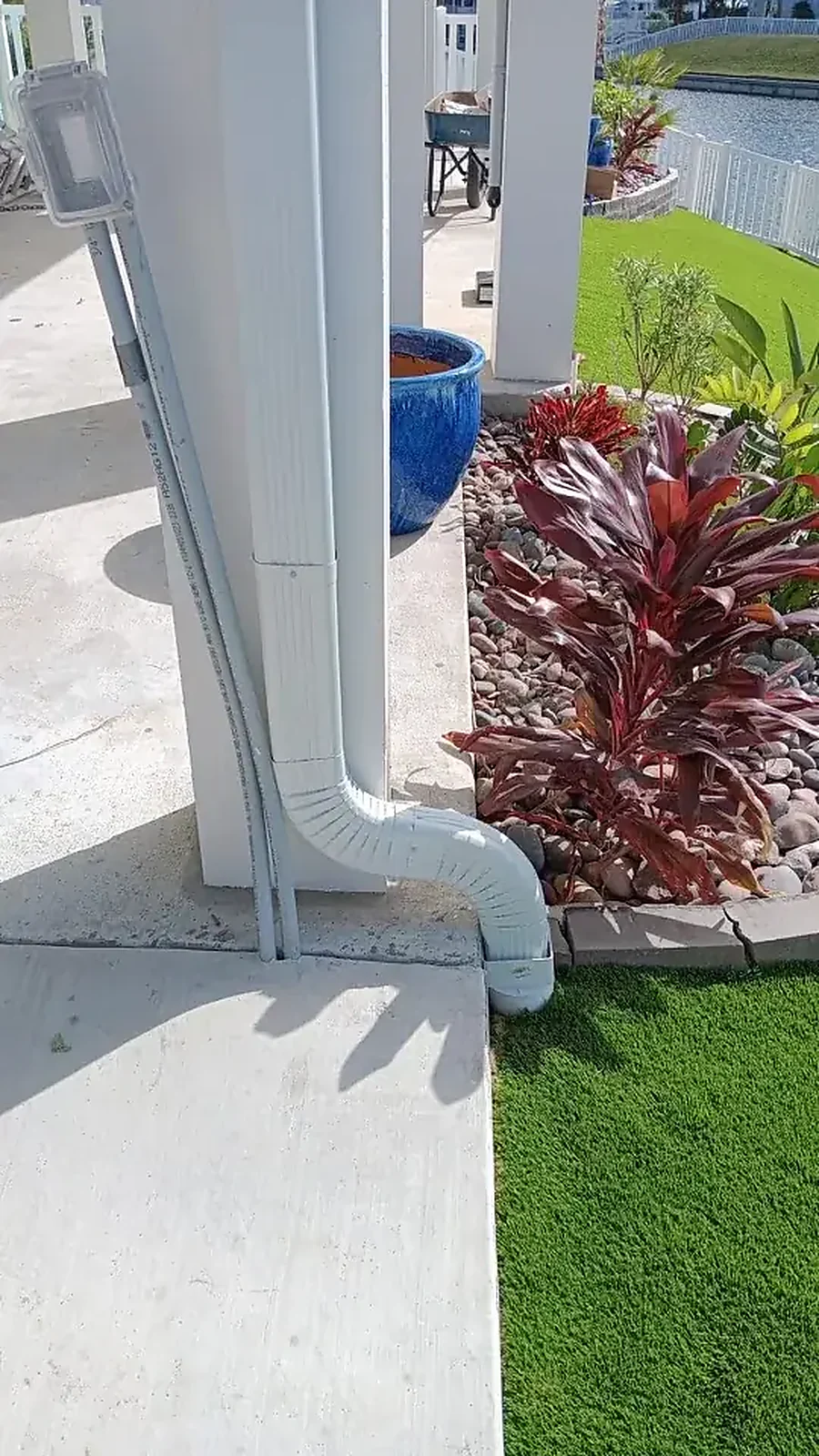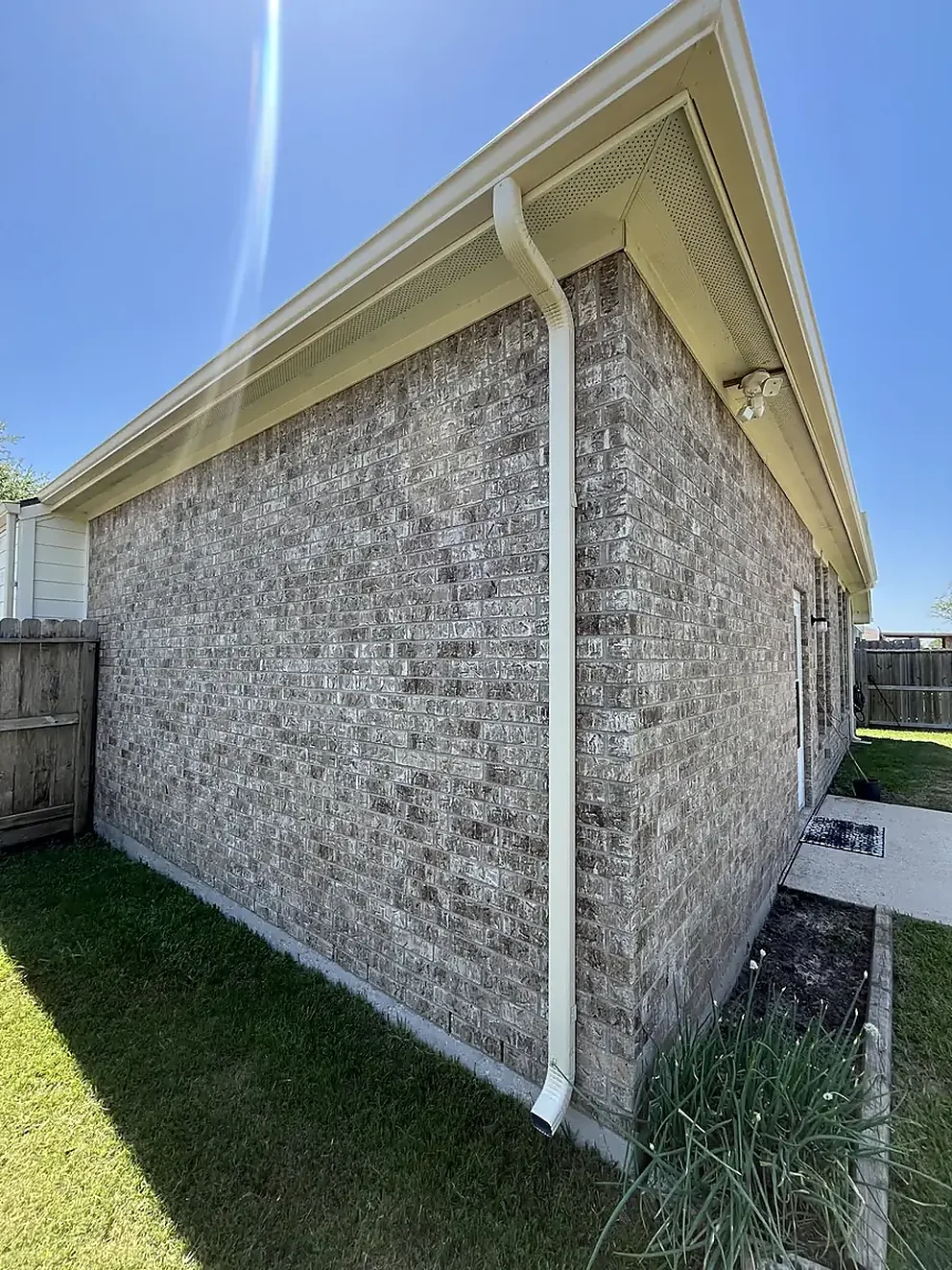

Match the guard to the debris
Broad leaves, pine needles, seed pods, roof granules, and windblown fragments behave differently on a gutter cover. Photograph the material that actually collects on the roof and near the downspouts. A design that sheds large leaves may still hold fine debris along its openings.
Know what protection can and cannot do
Leaf protection can reduce the amount of larger material entering the trough. It does not remove the need to watch roof valleys, inside corners, seams, outlet openings, or the surface of the guard itself. Heavy rain can expose a capacity or pitch problem that has nothing to do with debris.
A cover also changes how the roof edge is accessed. The attachment method should fit the gutter profile and should not be treated as a substitute for correcting loose gutters or damaged fascia.


Keep outlets in the inspection plan
Outlets are the narrow transition between the horizontal run and vertical downspout. Check them after strong wind, roof work, or a season with heavy leaf fall. Water spilling over directly above an outlet can point to a blockage below the guard.


Plan safe maintenance
- Inspect from the ground during rain whenever visibility and weather make that safe.
- Look for water crossing the front edge or backing up near valleys.
- Check downspout discharge for a steady flow and visible obstructions.
- Use a qualified service provider when roof height or access creates a fall risk.

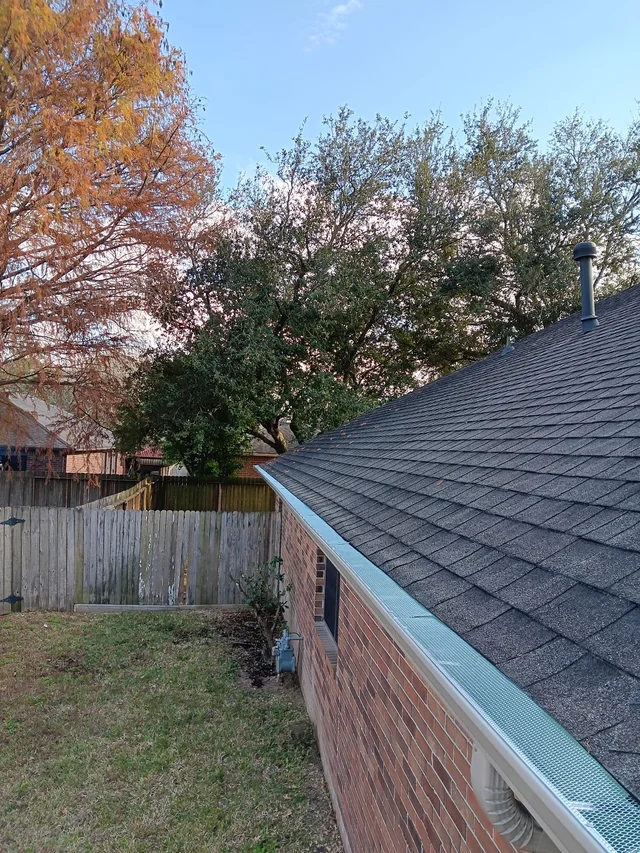
Guard questions
Do gutter guards make the system maintenance-free?
No. They can reduce larger debris, but periodic observation and cleaning may still be needed around valleys, surfaces, and outlets.
Should guards be added before repairs?
Correct attachment, pitch, leaks, and drainage routing first. Protection works best on a sound gutter system.